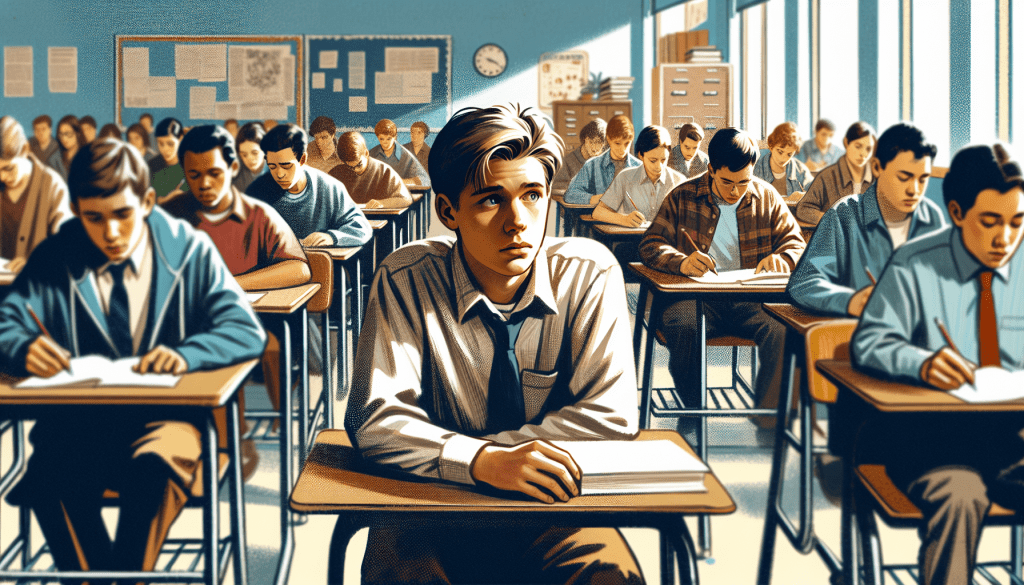
As I sat anxiously awaiting the results of my 9th-grade exams, my mind was a whirlpool of thoughts. I was mentally prepared for just scraping through. Yet, the moment my teacher stepped into the classroom to distribute the papers, my anxiety morphed into a cocktail of fear and frustration. I had managed to fail the majority of my exams, which I didn’t even think was possible, condemning me to the dreaded supplementary papers. It wasn’t just about the burden of studying again, but represented a period of isolation while my peers moved on, enjoying their holidays and the freedom that comes with passing.
My friends didn’t just pass; they excelled, scoring higher in one subject than I did in all combined. This stark contrast ignited a sense of anger in me. But underlying these feelings was something even deeper—a sense of loneliness driven by the fear of being left behind. This wasn’t just about academic performance; it was about maintaining the social connections that had come to mean so much to me. The real fear was not of failure in exams but of drifting away from the friendships that had anchored me.
In that moment, overwhelmed by my emotions, I resolved to detach myself from forming close bonds. I believed that by not getting too close to anyone, I could protect myself from the pain of being left behind. This decision, made in a state of distress, shaped much of my subsequent school life. I passed the supplementary exams and moved on to 10th grade, but I kept my vow of emotional distance.
Forgive my indifference; I’d rather be distant than devastated.
Ahmed Mostafa
This self-imposed isolation seemed like a protective measure, a shield against future disappointments. However, what I hadn’t anticipated were the long-term effects of such a decision. My social circle dwindled significantly. Interactions became superficial and, over time, more and more infrequent. The decision to avoid potential hurt by staying distant seemed logical then, but it carried with it a hidden cost—loneliness and a lack of true connection.
Emotional vulnerability and openness can indeed make us susceptible to hurt, but they also allow for genuine connections that can support and enrich our lives. In retrospect, maintaining distance was not shielding me; it was depriving me of the joys and lessons inherent in close relationships. The true challenge lies not in building walls around our hearts but in finding the courage to let others in, despite the risks.
I’m so afraid of losing something I love that I refuse to love anything.
Jonathan Safran Foer
 Bhumik’s Anxious Moments
Leave a comment